Choosing the Right Outsourced Assembly Partner for Your Needs
Understanding Outsourced Assembly Services
What are Outsourced Assembly Services?
Outsourced assembly services involve hiring external companies to manage various assembly tasks that are critical to manufacturing processes. Businesses leverage these services to reduce costs, improve efficiency, and focus on core operations. By partnering with specialized assembly service providers, companies can access skilled labor, advanced technology, and streamlined processes. Outsourcing assembly allows manufacturers to scale production without the capital investment required to expand in-house capabilities. This approach is especially beneficial for industries like automotive, electronics, and consumer goods, where precision and speed are paramount.
The Role of Assembly Lines in Manufacturing
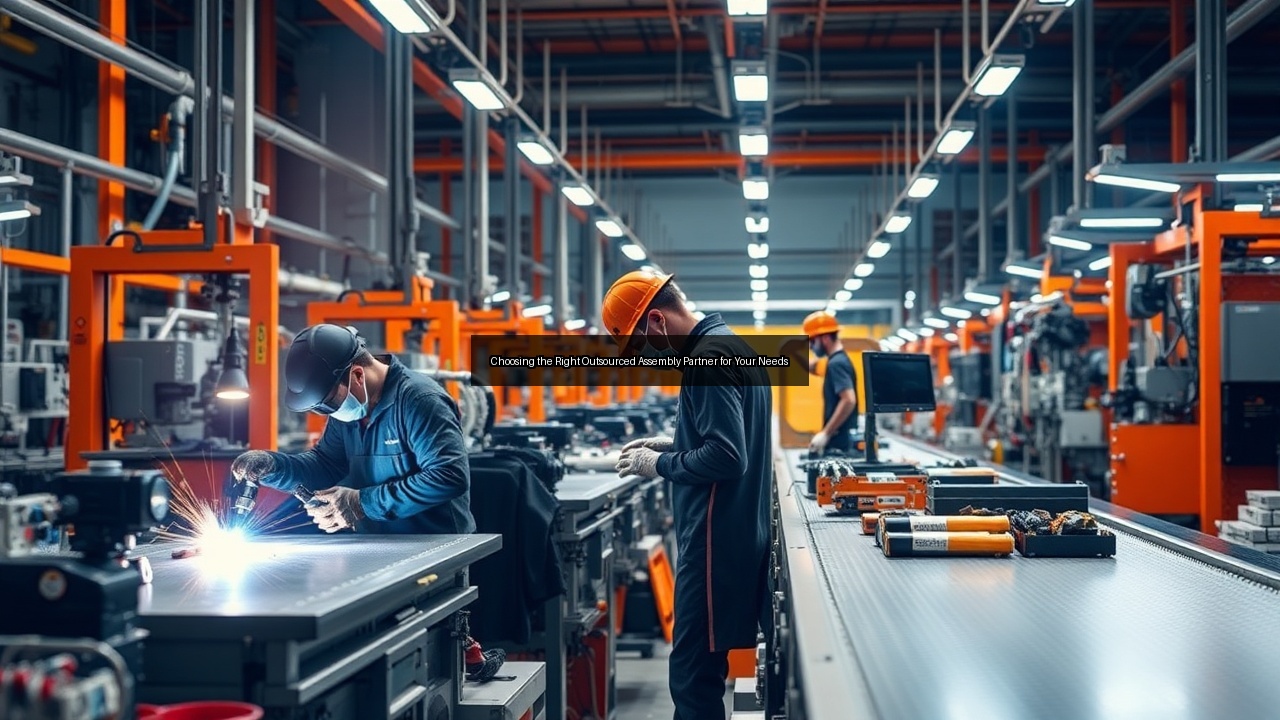
Assembly lines serve as the backbone of modern manufacturing, transforming raw materials into finished products through a series of structured steps. Each station along the assembly line is responsible for a specific task, such as welding, packaging, or quality inspections. This division of labor maximizes efficiency and minimizes production time, crucial for meeting market demands. When companies outsource their assembly lines, they tap into the expertise of professionals who understand the intricacies of fabrication and can implement best practices. An effective assembly line can significantly enhance a product’s time-to-market, giving businesses a competitive edge.
Key Industries Utilizing Outsourced Assembly: Automotive and Beyond
The automotive industry exemplifies the effective use of outsourced assembly services. Major car manufacturers often rely on specialized partners to assemble components like engines, dashboards, and electrical systems. This partnership allows them to concentrate on design and innovation. Beyond automotive, industries such as electronics, consumer products, and aerospace also benefit from outsourced assembly. For instance, electronics companies outsource the assembly of circuit boards and devices to enhance production capabilities. By understanding the specific needs of various sectors, outsourced assembly services can adapt and provide tailored solutions that promote growth and efficiency.
Evaluating Potential Assembly Partners
Assessing Reliability and Reputation
Choosing the right outsourced assembly partner starts with a thorough assessment of their reliability and reputation. Look for companies with a proven track record in the industry. Client testimonials and case studies provide valuable insights into an assembly partner's capabilities. Conducting background checks and industry research helps ensure that potential partners have a solid history of delivering quality services on time. Reliability hinges on consistent performance, so prioritize partners who can demonstrate their ability to meet deadlines and maintain production standards. A reputable partner not only reduces risk but also enhances overall project success.
Quality Control Measures and Inspections
Quality control is non-negotiable in outsourced assembly services. Effective quality assurance processes ensure that each product meets specified standards before it reaches the market. Inquire about the quality control measures your potential partners implement, such as regular inspections and testing protocols. A robust quality control system includes monitoring throughout the assembly process, from initial fabrication to final packaging. Partnering with companies that adhere to international quality standards, such as ISO certifications, adds another layer of assurance. Quality inspections at various stages of production help catch defects early, reducing waste and ensuring that only the best products reach consumers.
The Importance of Efficient Time-to-Market
Time-to-market plays a critical role in the competitive landscape of manufacturing. Companies that can deliver their products quickly gain significant advantages over rivals. When evaluating outsourced assembly partners, consider their ability to streamline production schedules and expedite processes without compromising quality. Efficient assembly lines, skilled labor, and the latest technology contribute to faster turnaround times. A partner that prioritizes time-to-market can help your business respond promptly to market trends and consumer demands, ultimately driving growth. A well-timed product launch can be the difference between capturing market share and falling behind.
Best Practices for Successful Outsourcing
Choosing the Right Assembly Partner: Key Considerations
Selecting the right assembly partner requires careful consideration of several factors. Begin by assessing their expertise in your specific industry. Different sectors have unique requirements, and a partner with experience in your field will understand the challenges and nuances involved. Additionally, evaluate their production capacity and scalability. As your business grows, your assembly partner should be able to adapt and expand to meet increasing demands. Communication is another critical factor. Establishing clear lines of communication and collaboration fosters a productive relationship and ensures that both parties are aligned on objectives and expectations.
Implementing Effective Quality Assurance Processes
Implementing robust quality assurance processes is essential for successful outsourced assembly. Define quality standards early in the partnership and ensure that your assembly partner understands and commits to these expectations. Regular audits and performance evaluations help maintain quality over time and provide opportunities for continuous improvement. Utilize metrics such as defect rates and production efficiency to assess performance. Encourage your partner to adopt innovative quality control technologies, such as automated inspections and data analytics, to enhance accuracy and efficiency. A proactive approach to quality assurance minimizes risks and reduces costs associated with defects and rework.
Managing Waste and Maximizing Efficiency
Effective waste management and efficiency maximization are crucial in outsourced assembly. Implementing lean manufacturing principles can help eliminate waste at every stage of production. Identify areas where materials or time are wasted and work with your assembly partner to develop solutions. For example, optimizing packaging can reduce material costs and improve product protection during shipping. Additionally, streamline workflows to minimize downtime between tasks. Training staff on best practices and encouraging a culture of continuous improvement will foster a more efficient assembly line. Maximizing efficiency not only lowers costs but also enhances overall productivity and profitability.
The Future of Outsourced Assembly
Trends in Assembly Services and Manufacturing
The future of outsourced assembly services is shaped by several key trends. One prominent trend is the increasing reliance on automation and robotics. Automated systems can enhance precision and reduce labor costs, making assembly processes faster and more efficient. Additionally, the demand for customized products is on the rise, prompting assembly services to adopt flexible manufacturing techniques that allow for quick adjustments and adaptations. Sustainability is another significant trend, with many companies seeking eco-friendly assembly practices. Embracing sustainability not only meets consumer demand but also promotes responsible manufacturing practices.
Impact of Technology on Assembly and Fabrication
Technology continues to revolutionize outsourced assembly and fabrication. Advanced technologies such as Internet of Things (IoT) devices, artificial intelligence (AI), and data analytics are transforming how assembly lines operate. IoT devices enable real-time monitoring and data collection, allowing for immediate adjustments to improve efficiency. AI-driven analytics can predict maintenance needs, reducing downtime and optimizing performance. Moreover, 3D printing is gaining traction in assembly, offering new possibilities for rapid prototyping and reducing material waste. Embracing these technological advancements positions businesses to thrive in a competitive landscape and meet evolving consumer expectations.
See Also
- How Outsourced Assembly Services Can Reduce Manufacturing Waste
- The Future of Manufacturing is Outsourced Assembly
- How Outsourced Assembly Services Enhance Product Quality
- From Automotive to Architecture How Outsourced Assembly Transforms Industries
- Insights into the Outsourced Assembly Process for Manufacturers